 C is used on computers that range from the largest supercomputers to the smallest microcontrollers and embedded systems. A successor to the programming language B, C was originally developed at Bell Labs by Ritchie between 1972 and 1973 to construct utilities running on Unix.
 Here’s how it stacks up against C++, Java, C#, Go, Rust, Python, and the newest kid on the block—Carbon. The C programming language has been alive and kicking since 1972, and it still reigns...
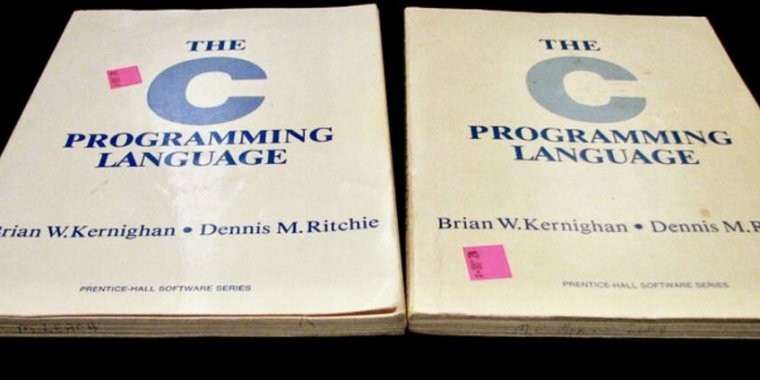 In one form or another, C has influenced the shape of almost every programming language developed since the 1980s. Some languages like C++, C#, and objective C are intended to be direct...
 Pronunciation The letter "C" is pronounced as /k/, which is similar to K or Q (u). It is sometimes said as /s/. The letter "C"'s name in English is "cee" (said as /ˈsiː/). Occasionally, the letter may sound like the letter "S".